
Industries Where Professional Etiquette is Essential
Kalaivani K
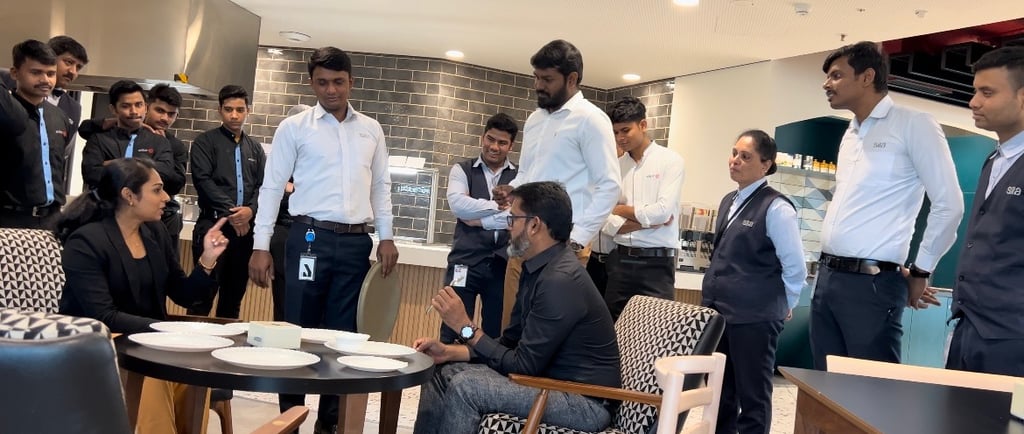
Professional etiquette can sound like a list of rules about what to wear, how to speak or which fork to use. At work, it’s simpler than that: it’s how we show respect, communicate clearly and help others work with us.
The details vary from one workplace to another. A hotel employee may need to respond to a guest’s request, while a healthcare team member may need to communicate carefully with a patient. But the basic habits—listening, courtesy, reliability and good judgement—matter in many fields.
What professional etiquette looks like
It often shows up in small, everyday actions:
Acknowledging someone when they speak to you
Being on time or letting people know when plans change
Giving clear, respectful answers
Following through on commitments
Handling disagreements calmly
Being thoughtful about privacy and personal boundaries
Treating colleagues, customers and visitors with courtesy
These habits don’t mean you have to be formal or overly polished. They help people understand what to expect from you and make day-to-day interactions easier.
Why it matters in different workplaces
Healthcare
Patients and families may be worried or uncomfortable. Clear explanations, patience and respect for privacy can help them feel heard. Staff should follow their organisation’s policies and ask for support when a situation is outside their role.
Read our guide to professional etiquette for healthcare employees in India.
Hotels and hospitality
Guests may need help, directions or support with a concern. Acknowledging them, listening carefully and explaining the next step can help create a welcoming experience.
Read our guide to professional etiquette for hotel employees in India.
Offices and business teams
Colleagues rely on one another to share information, meet deadlines and raise concerns. Respectful communication and dependable follow-through can help build trust within a team.
Education and training
Students, families and colleagues all benefit from clear expectations and considerate communication. Patience matters, especially when someone is learning or asking for help.
Customer-facing and service roles
In shops, service centres and other public-facing workplaces, people may arrive with questions or frustrations. Listening first and responding calmly can help keep the conversation constructive.
Etiquette should fit the situation
There isn’t one script that works in every workplace. A friendly tone may suit one conversation, while a more formal approach may be needed in another. Pay attention to the setting, follow your organisation’s standards and ask when you’re unsure.
Professional etiquette should also be respectful of different backgrounds and communication styles. Instead of making assumptions, ask polite questions and give others room to explain what they need.
Build habits that people can rely on
You don’t have to change your personality to be professional. Start with one practical habit: listen without interrupting, give clearer updates, or follow up when you say you will.
Over time, those small choices shape how people experience working with you. In every industry, courtesy and reliability help make work smoother for everyone.
At Look For You, corporate training supports professional communication, confidence and workplace presence. If you’re looking for training for your team, get in touch.
Let's talk
look4youkk@gmail.com
Look For You | Image Consultant & Stylist | Coimbatore, Tamil Nadu