
How to Communicate with Confidence at Work
Kalaivani K
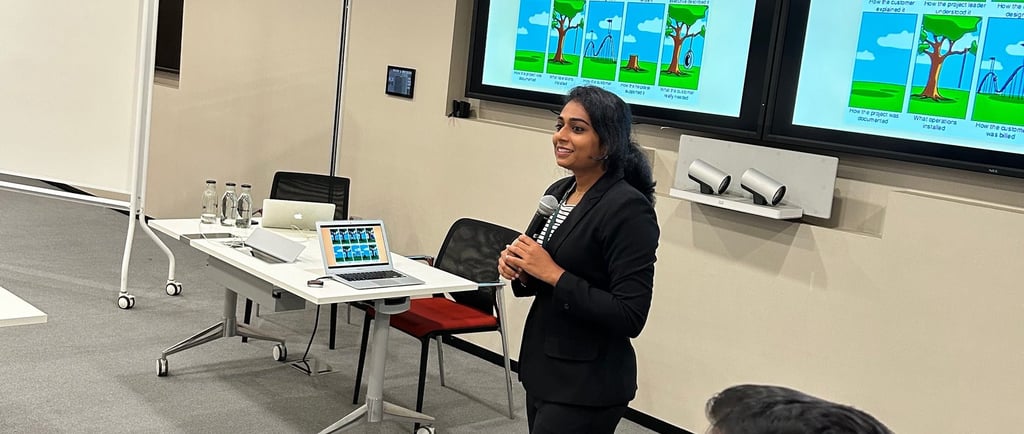

Have you ever known what you wanted to say, but found it difficult to say it in the moment? Maybe you were meeting someone new, sharing an idea in a meeting or having a conversation you had been putting off.
Confident communication doesn’t mean being the loudest person in the room. It means expressing yourself clearly, listening to others and staying present in the conversation.
Prepare your main point
If you’re nervous about a conversation or presentation, take a moment to identify the one thing you want the other person to understand.
You don’t need to memorise every word. A simple outline can help you stay on track:
What do I need to say?
What information does the other person need?
What would be a helpful next step?
Preparation gives you something to return to if you lose your place.
Speak clearly and at a comfortable pace
When people feel anxious, they may speak very quickly or trail off at the end of a sentence. Try slowing down slightly and finishing your thoughts before moving on.
You don’t need to force a deep voice or change your accent. Aim to speak at a pace that feels comfortable and is easy for others to follow.
Use body language that feels natural
Your posture, facial expression and gestures can support what you’re saying. Sit or stand comfortably, face the person when appropriate, and let your hands move naturally.
Eye contact can feel different for different people and cultures. You don’t need to hold someone’s gaze continuously. Focus on being attentive in a way that feels respectful and comfortable.
Listen as well as speak
Good communication goes both ways. Give the other person time to finish, and ask a question if you’re not sure what they mean.
You might say, “Can you tell me a little more about that?” or “Let me check I’ve understood—are you saying…?” These small checks can prevent confusion.
Be direct without being harsh
You can express a different opinion while remaining respectful. Focus on the idea or situation rather than criticising the person.
For example: “I see it differently. My concern is that we may not have enough time to complete the second part.”
Clear, calm language helps others understand your perspective without turning the conversation into a personal conflict.
Give yourself permission to pause
You don’t have to answer instantly. If you need time to think, say so. A short pause can help you respond with care and make sure you understand the question.
Confidence isn’t about never feeling nervous. It’s about staying engaged even when you do.
Practise in everyday conversations
Start with small steps: share an idea in a meeting, ask a follow-up question or explain a boundary clearly. Afterward, notice what went well and what you might try differently next time.
At Look For You, corporate training helps people build communication skills, confidence and professional presence. If you’d like support communicating more confidently at work, get in touch.